





Cross-Border Bulk Transport Compliance Checklist for Rail Freight Operators
For rail freight operators, cross-border bulk transport compliance is more than paperwork. It protects cargo quality, worker safety, and uninterrupted international delivery across complex rail corridors.
This checklist helps quality control and safety managers verify documents, loading practices, hazardous-material controls, equipment readiness, and country-specific border requirements before dispatch.
The central operational judgment is simple: a shipment is not compliant because documents exist; it is compliant when documents, cargo condition, rail equipment, and border controls match.
Why Compliance Failures Start Before the Train Reaches the Border
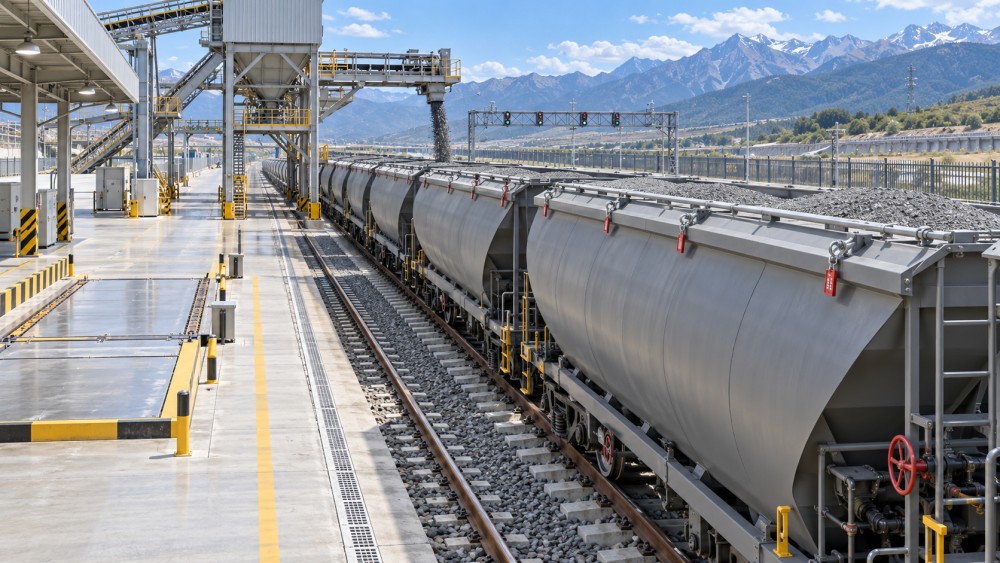
Most cross-border delays are created at origin terminals, where inaccurate commodity data, weak loading checks, incomplete seals, or unverified wagon conditions remain unnoticed until inspection.
For bulk cargo, small inconsistencies can become major operational problems. Moisture variation, overloading, contamination, dust release, and insecure covers may trigger rejection or additional inspection.
Quality and safety managers should therefore treat each departure as a controlled release. The cross-border bulk transport compliance checklist must be completed before the train joins international traffic.
Responsibility should be clear across the shipper, loading terminal, rail operator, wagon keeper, customs broker, and receiving party. Shared responsibility without named ownership creates avoidable gaps.
A practical compliance process also distinguishes between legal requirements and operational safeguards. Both matter, because legally acceptable cargo may still be unsafe, damaged, or commercially unacceptable.
Start With a Corridor-Specific Regulatory Map
Cross-border rail freight rules vary by origin, transit, and destination country. Operators should build a current regulatory map for every active bulk transport corridor.
The map should identify railway authorities, customs agencies, environmental regulators, dangerous-goods authorities, border inspection bodies, and technical interoperability requirements affecting the shipment.
Do not assume that a commodity classification accepted at origin will be accepted in every transit state. Local tariff codes, licensing rules, and declaration formats can differ.
For each corridor, record required advance notices, submission deadlines, accepted languages, electronic platforms, inspection triggers, and escalation contacts for border or customs exceptions.
Review the map whenever a route changes, a new terminal is used, cargo specifications change, or a country updates customs, sanctions, environmental, or dangerous-goods requirements.
- Confirm origin, transit, and destination legal entities and consignee details.
- Verify applicable customs procedure, commodity code, and country-of-origin evidence.
- Check import permits, export licenses, quotas, sanctions screening, and trade restrictions.
- Validate rail network access conditions, wagon acceptance rules, and route restrictions.
Verify Commodity Identity, Quality, and Cargo Documentation
Bulk freight compliance depends on accurate cargo identity. The declared description must match the purchase contract, laboratory results, transport documents, and physical material loaded.
Use a controlled master data record containing commodity name, grade, tariff classification, dangerous-goods status, density range, moisture limits, and handling restrictions.
Quality teams should verify certificates of analysis before loading, particularly for minerals, grain, fertilizers, coal, scrap, biomass, and industrial raw materials with variable specifications.
Sampling plans must be documented and traceable. Record sample location, collection method, laboratory reference, test date, chain of custody, and approved analytical method.
Where moisture affects transport safety, calculate the result against the correct regulatory threshold. Moisture limits can influence flow behavior, weight compliance, dust control, and wagon suitability.
For cargo subject to contamination concerns, document prior wagon contents, cleaning status, loading-area hygiene, and segregation measures. A clean document trail cannot correct physical contamination.
- Match invoice, packing or weight record, consignment note, customs declaration, and certificate data.
- Confirm net weight, gross weight, wagon count, cargo quantity, and allowable tolerances.
- Attach quality certificates, origin records, phytosanitary documents, or inspection certificates where required.
- Retain approved translations when authorities require documentation in a national language.
Control Loading Quality and Prevent Overload Risk
Loading controls are among the highest-value elements of a cross-border bulk transport compliance checklist. They directly affect derailment risk, axle-load compliance, cargo loss, and border acceptance.
Before loading, confirm the wagon's permitted payload, axle-load limit, loading gauge, tare weight, route restrictions, and compatibility with the commodity being transported.
Use calibrated weighing systems and retain evidence of calibration. Where loading occurs through automated equipment, verify the system's setpoints, alarms, and operator intervention records.
Load distribution must be even across the wagon. Uneven placement can cause wheel-load imbalance, instability, damage to discharge equipment, and non-compliance with infrastructure limits.
Inspect loaded wagons for material above sidewalls, unsecured covers, blocked brake components, damaged hatch seals, and residue likely to spill during acceleration or braking.
For dusty materials, document dust suppression and containment actions. Border agencies may intervene when visible emissions create environmental, health, or public-safety concerns near terminals.
- Check individual wagon weights and total train weight against operational plans.
- Confirm load distribution, center-of-gravity limits, and maximum axle-load requirements.
- Inspect covers, tarpaulins, lids, seals, discharge gates, and locking mechanisms.
- Record loading supervisor approval before the train is released to railway operations.
Apply Dangerous-Goods Controls When Bulk Cargo Creates Additional Hazards
Not every bulk commodity is regulated as dangerous goods, but many create transport hazards through combustibility, toxicity, corrosiveness, self-heating, dust explosion, or environmental damage.
Safety managers should determine classification using current legal frameworks applicable to rail transport in every country on the planned route, rather than relying on commercial labels.
Where dangerous-goods rules apply, verify the UN number, proper shipping name, hazard class, packing group where relevant, emergency instructions, placarding, and wagon marking.
Safety data sheets should be current, commodity-specific, and available to operating personnel. A generic safety sheet may omit transport-critical information on dust, moisture, or fire behavior.
Emergency response information must identify realistic scenarios, including leakage, fire, exposure, dust release, contamination, and derailment. Border delays can worsen hazards when information is unavailable.
Confirm that train crews, terminal teams, and emergency contacts can access the relevant information quickly. Digital availability is useful, but critical documents should also have a resilient backup.
- Verify dangerous-goods classification against current regulatory references.
- Check wagon markings, placards, labels, and required documentation before departure.
- Confirm emergency telephone numbers operate across the relevant countries and time zones.
- Ensure incident reporting procedures meet both operator and national notification requirements.
Confirm Wagon Condition, Technical Compatibility, and Traceability
Rail wagons carrying international bulk freight must meet more than basic availability requirements. Their maintenance status, technical configuration, and condition must support the full planned journey.
Verify wagon registration, keeper information, maintenance responsibility, inspection status, brake testing records, wheelset condition, coupler compatibility, and route-specific technical approvals.
Cross-border movements may involve differing gauge systems, braking rules, loading gauges, electrification environments, and train-control systems. These interfaces require planning before the train departs.
Inspect wagon interiors and discharge systems for corrosion, structural damage, contamination, stuck hatches, compromised seals, or residues from incompatible previous cargoes.
For temperature-sensitive, hygroscopic, or weather-sensitive bulk materials, confirm that wagon design and closures provide the required protection throughout expected transit and border waiting periods.
Traceability should connect each wagon number to cargo batch information, loading time, weight data, seal records, inspection evidence, and responsible supervisor. This supports rapid exception investigation.
- Check wagon fitness-to-run documentation and maintenance or inspection validity.
- Confirm brake tests, train formation records, and interoperability requirements.
- Record wagon condition photographs for high-risk, high-value, or contamination-sensitive shipments.
- Verify seal numbers and apply a documented seal-replacement process for inspections.
Prepare Customs and Border Inspection Evidence Before Dispatch
Customs readiness is not achieved by transmitting a declaration alone. Border agencies need information that is consistent, timely, auditable, and supported by cargo and transport evidence.
Reconcile commercial documents with railway consignment data before submission. Quantity, weights, commodity descriptions, consignor details, consignee details, and transport references must align exactly.
Use a pre-departure document review involving operations, quality, safety, and customs personnel. This is especially important for first-time corridors, new commodities, and mixed customer shipments.
Advance filing deadlines should be built into the dispatch plan. Late filings can immobilize a compliant train because border capacity and inspection appointments are often limited.
Prepare an inspection pack that can be shared quickly with customs or railway authorities. Include documents, certificates, photographs, weight records, seal logs, and responsible contact information.
When an inspection identifies a discrepancy, control the response formally. Do not permit undocumented cargo adjustment, resealing, relabeling, or document correction without appropriate authorization.
- Validate customs declarations against commercial and rail transport records.
- Confirm advance-manifest, security-filing, and electronic data requirements.
- Make inspection certificates and cargo-quality evidence accessible to border teams.
- Document all border interventions, seal changes, cargo handling, and release decisions.
Use Clear Stop-Ship Criteria and Escalation Rules
A checklist is only effective when it authorizes staff to stop a shipment. Quality and safety managers need defined stop-ship criteria supported by senior operational approval.
Immediate escalation is appropriate when cargo identity is uncertain, weights exceed approved limits, dangerous-goods data is incomplete, wagon defects are unresolved, or seals cannot be verified.
Other stop-ship triggers include expired permits, missing customs filings, unapproved route changes, failed brake tests, visible cargo leakage, excessive dust, or failed quality specifications.
Define who can release a shipment after correction. The person correcting an error should not be the only person approving the final release for high-risk movements.
Keep an exception register showing the issue, risk assessment, corrective action, approver, time of release, and evidence retained. Repeated exceptions reveal systemic control weaknesses.
Performance reviews should measure more than delays. Track inspection holds, document discrepancies, overweight events, seal failures, cargo claims, safety incidents, and repeat non-conformities by corridor.
Build Compliance Into Daily Rail Freight Operations
The most reliable operators do not treat compliance as a final administrative gate. They embed checks into booking, wagon allocation, loading, train formation, border handover, and delivery confirmation.
Digital systems can improve control by linking cargo data, laboratory results, wagon records, maintenance status, customs milestones, and exception alerts in one operational view.
However, digital tools only improve decisions when master data is governed. Incorrect commodity codes, obsolete wagon information, or unapproved templates can spread errors across an entire train.
Train frontline teams on observable conditions, not just procedures. They should recognize overload signs, damaged seals, dust emissions, unusual cargo behavior, and incomplete documentation before departure.
Conduct periodic joint reviews with shippers, terminal operators, customs specialists, and receiving sites. Cross-border compliance improves when every handover point has measurable responsibilities and feedback.
For TC-Insight readers, the wider lesson is that compliant bulk rail transport supports network reliability. Strong controls protect asset availability, terminal throughput, customer confidence, and international supply-chain continuity.
Conclusion: Make Every Departure Defensible
A robust cross-border bulk transport compliance checklist gives quality and safety managers a practical basis for release decisions. It connects cargo integrity, worker protection, railway readiness, and border acceptance.
The priority is not collecting more paperwork. It is proving that documentation, commodity quality, load condition, wagon capability, customs data, and emergency controls describe the same shipment.
When operators apply these checks before dispatch, they reduce preventable border holds, protect people and infrastructure, and create more predictable international bulk rail freight performance.